A Guide to Data Centre Construction
22 Oct, 2026


Social value is increasingly important to every housing tender. What it looks like once the ...


Social value is increasingly important to every housing tender. What it looks like once the contract is signed varies massively.
Business Focus Magazine spoke to the CEO of United Infrastructure about their social responsibility, and how they ensure a business as large as theirs becomes community focused.
As division CEO, Claire Kershaw knows social value work shouldn't be a one-and-done tick box. It needs to be built into how UI plans, delivers, and measures their work;
“Social Infrastructure exists to improve places and public services. We work with housing providers, local authorities, and public sector providers to maintain, improve and futureproof homes and community assets."
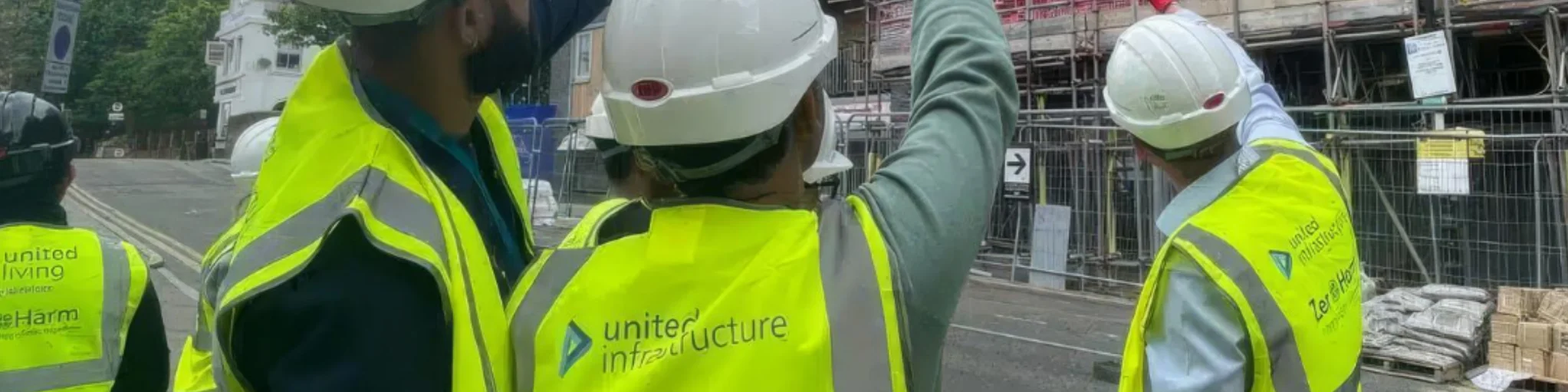
United Infrastructure's Social Infrastructure division builds social value into the work rather than bolting it on. A 15-year partnership with Wolverhampton Homes turned Heathtown, an estate once known for crime and resident isolation, into a place where children can play outside safely, delivering a district heating system and a new energy centre, alongside local jobs and apprenticeships. Beyond the estates, supports young people into construction and built-environment careers through the Building the Future mentoring programme, tracks its outcomes on a dedicated social value platform, and hires for values and attitude over technical experience alone. 4 Consistent Pillars to their CSR approach are key: Work with Business & Council Natives, Local Initiatives Built on their Community, Measuring What Matters, Hiring People Who Care. None of it works on a short contract, which is why their partnerships typically run 10 to 15 years.
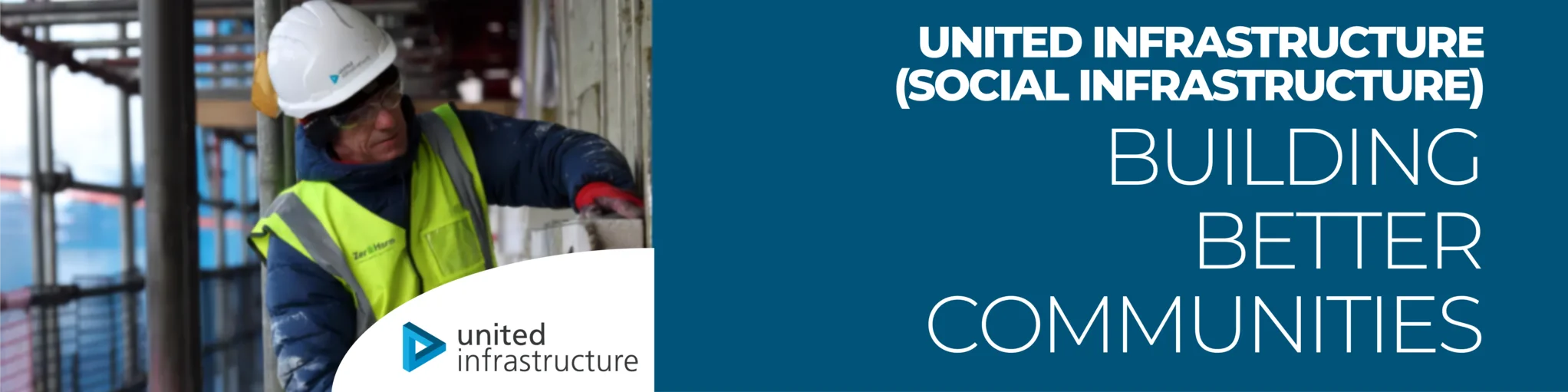
United Infrastructure, formerly United Living, delivers critical infrastructure across water, energy, power, telecoms, and property services, split into two business areas: Utility Infrastructure and Social Infrastructure.
Social Infrastructure is their property services side, working with housing associations and local authorities to maintain, improve and futureproof homes and communities.
They partner with every member of the G15, London’s largest housing associations, and they’re built on long-term relationships that typically run for 10-15 years and retain an impressive 98% of contracts that reach re-tender.
Find out more about United Infrastructure >>
Estate regeneration, job creation, apprenticeships, community support; United Infrastructure have a people-first mantra when building new and developing existing communities.
There's 4 strong pillars to social value success with large-scale regeneration projects:
It's more than just working with local businesses; it's about embracing their community go-tos, their favourite spots, and maybe even taking note of what currently challenges their day-to-day.
One example is Social Infrastructure’s relationship with Wolverhampton homes, which began with just refurbishment works. Over time, it expanded into wider estate regeneration, and eventually into Heathtown, an area once linked with anti-social behaviour, crime and resident isolation.
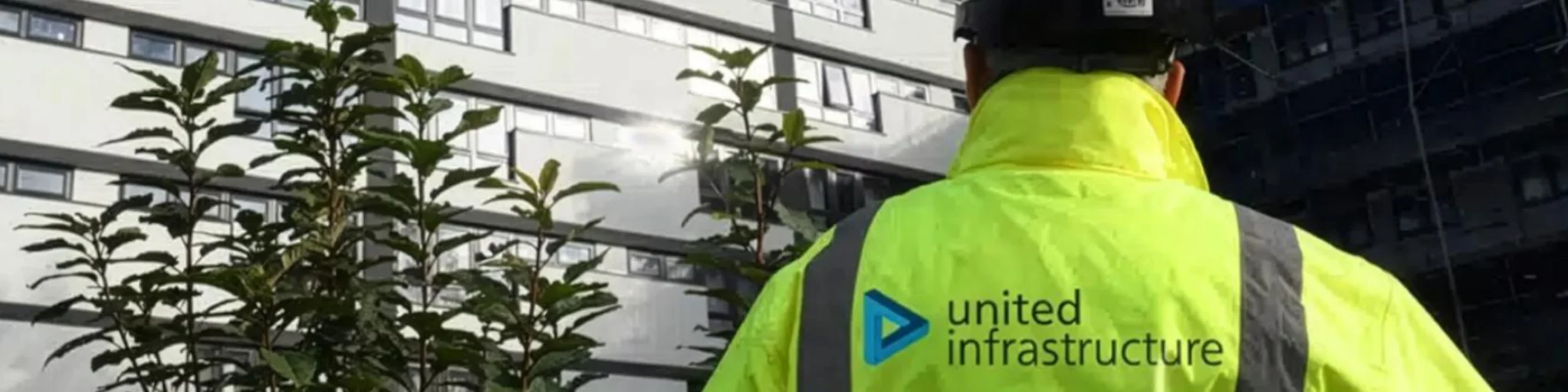
They worked closely with Wolverhampton Homes and the local council to redesign public spaces, improve housing, install district heating systems and build a new energy centre. Proactively listening to the community they were regenerating, opened up new opportunities and made further development easier.
The environmental gains alone were impressive, but crime and anti-social behaviour dropped, open spaces became places where children could play safely, and residents have greater pride in where they live.
Local businesses picked up supply chain work, whilst apprenticeships and new skills created lasting employment prospects within the community itself.
“Ultimately, we're not just maintaining buildings. We're looking after the communities that live in them."
— Claire Kershaw, Division CEO, Social Infrastructure.
Heathtown is one of their proudest achievements because it shows how investment in housing can change lives, not just buildings.
The Wolverhampton partnership extends beyond the estates themselves. It directly supports Building the Future, a mentorship programme which introduces young people to careers they may never have considered.
Working with local schools, the programme brings local pupils into a university environment where they complete regeneration projects, develop presentation skills and get first-hand experience of the construction industry. For many, it’s the first time anyone has suggested what the sector has to offer to them.
Watching students present to parents, teachers and industry professionals has become one of the highlights of the initiative.
"You can genuinely see that you are changing people's lives, and they are genuinely thinking about how they might take up a career in construction in the future."
— Claire Kershaw
With a documented skills gap in the built environment, raising younger generations' awareness of the possibilities will most effectively help the industry recover and pay back.
United Infrastructure use a dedicated platform to track its social value. One source of truth that measures everything, from new jobs and apprenticeships to community engagement and employment support.
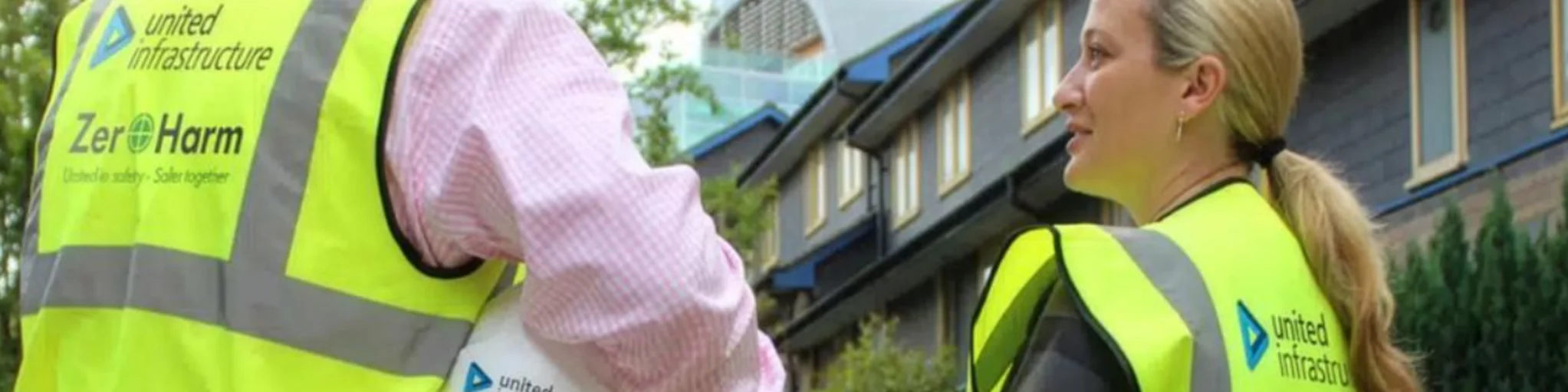
Numbers are only half of it; quantifiable results may make it easy for reporting, but Claire knows that the stories themselves carry weight:
"We look at the actual stories, the narrative around how our interventions change lives because I think that’s really important”
— Claire Kershaw
How to measure social value well can be easy to gloss over. A number in a report can be hit without changing a community, but paired with the outcomes behind it is what moves the needle.
When hiring, United Infrastructure looks beyond traditional built-environment experience. The company actively seeks people from high empathy sectors, such as care, where communication and a strong sense of responsibility are already central to their work.
New academies are starting to train people with no prior built environment experience, for resident liaison officers, site managers, and contract managers roles. This has made it easier to identify people whose values align with UIs social value aims, and who will one day lead future community projects.
"It's not just about experience. Are these applicants excited? Are they enthused and motivated by caring for the end user, the customer? Are they proud and do they take pride in the work that they're delivering?"
— Claire Kershaw

For communities to flourish, social value has to flow down through everyone delivering on a project, with the supply chain playing their part.
Daniel Owen has long worked alongside businesses in the built environment to assist their communities, social value aims and local initiatives.
When Morgan Sindall ran a skills day with Pathways, our team spent the day in one-to-one sessions with school leavers, parents returning to work, and people looking for a fresh start. It’s the same local employment outcome United Infrastructure practices in its contracts, approached from the supply chain side.
A project like the Building the Future initiative was when one of our directors volunteered at Thrive Careers Hub, running mock interviews for young people facing barriers to employment. In the first year alone, Thrive supported 396 young people and helped secure 23 job outcomes.
Within Property services, Associate Director Sophie Rowley now sits on the board of Women in Social Housing for the Southeast, helping to shape mentoring programmes, events and initiatives across the industry.
Although these examples are not on the scale of a 15-year partnership, we do know social value works when everyone involved lends a hand, and businesses supplying the workforce are no exception.
Thanks to Claire Kershaw and the team at United Infrastructure for allowing us to add to their feature in Business Focus. It’s been great to hear how core social value is to Social Infrastructure, and how much of a genuine impact you have on the communities you develop.
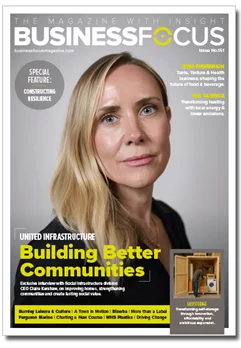 Read the full article in Business Focus Magazine: | 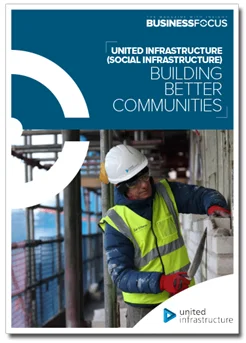 Or, take a deep dive into United Infrastructure's extract |
Since 1986, Daniel Owen has resourced for the housing and property services sectors with teams of skilled maintenance trades and experienced resident support liaisons, surveyors and site managers.
We also help local communities thrive through socially responsible recruitment, and we’re proud to always support clients and councils with career-focused events, school workshops, and local job fairs.
If you’re planning something similar, or need support with your social value goals, read more on our corporate social responsibility page or get in touch with your local team.